

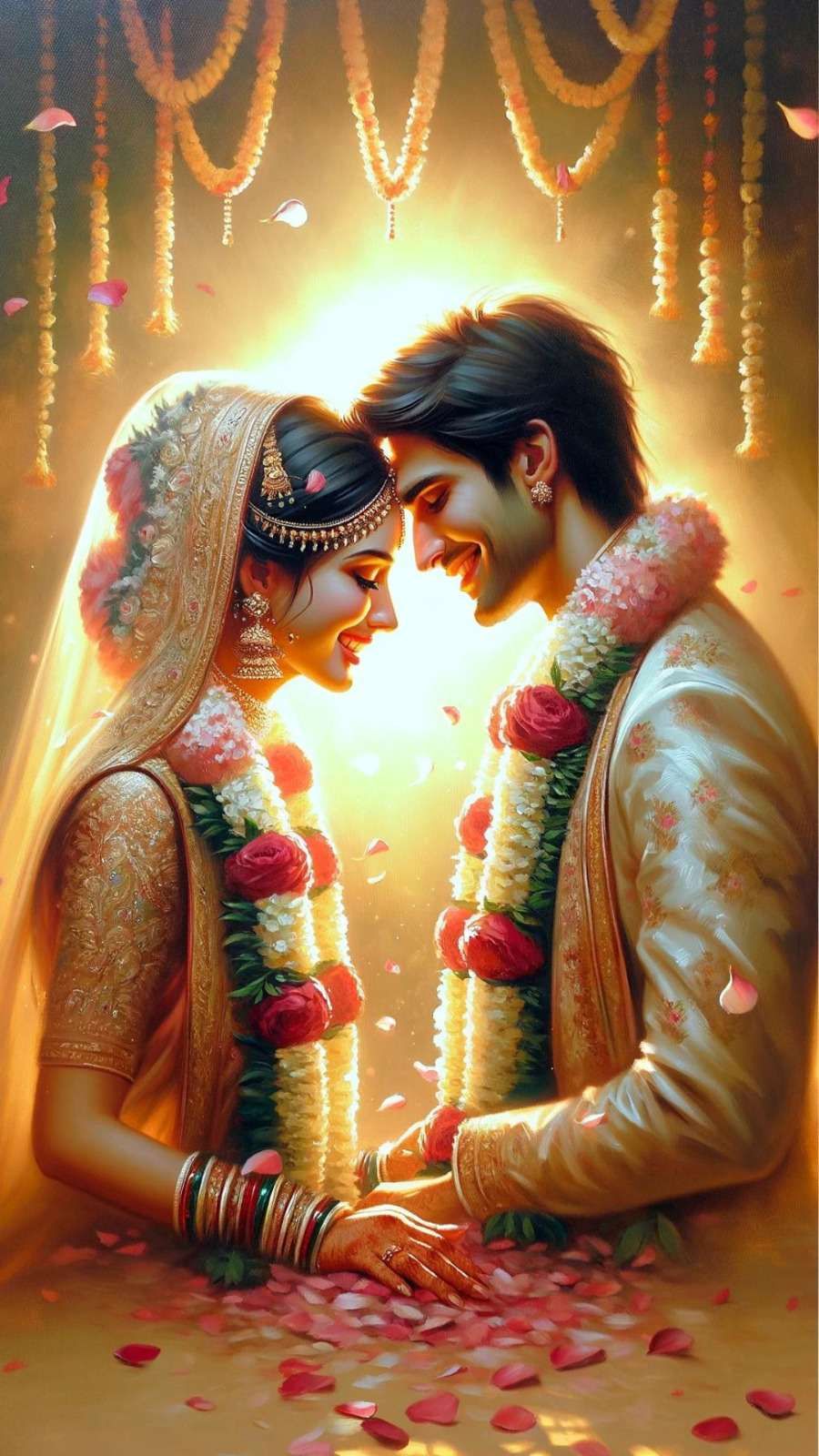
Marriage is one of the oldest institutions known to mankind. It is so ancient that its origins fades into prehistory, and it is so dynamic that it continues to adapt to every new phase. While the essence of marriage revolves around partnership, family, and social stability, yet its form and meaning has not remained static. Across history, geography, culture, and law, marriage has worn countless faces. It is considered as a sacrament, a civil contract, a social alliance, a moral obligation, a personal choice, and increasingly, it is an expression of individual freedom and equality depending on country to country.
Now a days, as societies undergo rapid transformations, marriage also reflects the diversity of human nature more than ever before. From monogamy to plural marriages, from arranged unions to love marriages, from traditional gender-based roles to equal partnerships, from religious ceremonies to civil registrations, the institution of marriage continues to evolve across the world. So, here is an effort to understand as to how deeply marriage is intertwined with social values, cultural practices, legal frameworks, economic conditions, and human rights.
1. Marriage as a Social Foundation—Culture, Community, and Identity
For centuries, marriage is considered as a social cornerstone. Long before the legal systems existed, communities created marital norms to regulate relationships, ensure responsibility towards children, maintain social stability, and foster alliances between families. In many societies, even today, marriage remains a powerful symbol of social legitimacy and cultural belonging.
In various parts of Asia, Africa, and the Middle East, marriage still continues to reflect collective identity more than an individual choice. Families, elders, and community values often shape marital decisions, and marriage is viewed as a union of two families rather than just two individuals. Traditions, rituals, and cultural expectations surround the process, giving marriage a communal and social significance.
Generally, Western societies view marriage as a personal life decision, which emphasises independence, emotional compatibility, and self-fulfilment. This shift from community-centric to individual-centric approach towards marriage, marks one of the most significant global changes.
So, it can be stated that marriage has always been shaped by the social environment in which it exists. As social norms shift towards gender equality, personal freedom, and diverse family structures, the marriage also transforms accordingly.
2. Marriage as a Religious Sacrament—Faith, Ritual, and Sacred Bonding
Religion has played a vital role in shaping the meaning of marriage for millennia. For billions of people, marriage still continues to be a sacred covenant which is rooted in the moral ideals.
In Hindus, marriage is considered a samskara, a sacred tie, which unites two souls for lifetime and even for seven lives. The rituals such as saptapadi symbolize the commitment of duty, companionship, and shared life goals.
In Islam, Marriage (nikah) is a spiritual blessing and a civil contract as well, which is founded on principles of mutual consent, rights, and obligations. It emphasize dignity, fairness, and family stability.
In Christians, marriage is considered as a sacrament symbolizing God’s grace and unity. It places importance on fidelity, love, and lifelong companionship.
Judaism, Sikhism, Buddhism, and Parsi traditions carry deep rooted practices, philosophies, and marital responsibilities, reinforcing the idea that marriage is social and spiritual relationship.
In various modern legal systems also, religious marriages still retain profound emotional and cultural significance. This religious dimension forms one of the most enduring faces of marriage.
3. Marriage as a Legal Institution: Rights, Duties, and Protections
The modern societies have increasingly started recognizing marriages through the lens of law. The legal system ensure that the emotional bonds are supported by enforceable rights, duties and obligations. The key legal dimensions of marriage include:-
- Age of marriage
- Free consent
- Registration and documentation
- Property and inheritance rights
- Maintenance and financial support
- Domestic violence protections
- Custody and guardianship
- Divorce and dissolution of marriage
- Recognition of international marriages
Every country defines marriage differently, so there are variations in the legal rights, duties and obligations.
India is unique in following multiple personal laws such as Hindu, Muslim, Christian, Parsi laws apart from the Special Marriage Act, 1954. This creates a complex situation where the rights, duties and responsibilities of spouses differ based on religion.
Many Western and civil-law nations follow a uniform civil code which treat marriage as a legal contract irrespective of religion. These jurisdictions often recognize:
- no-fault divorce
- gender-neutral laws
- equal marital property rights
- same-sex marriage
- civil partnerships
This legal contrast between India’s Pluralistic system and international system shows as to how marriage reflects cultural traditions and modern constitutional values also.
4. Forms of Marriage—Diversity Across the Globe
Marriage, as a social institution takes multiple forms across the world, which is primarily shaped by culture, religion, tradition and evolving social values.
a. Monogamy
Monogamy refers to a relationship system in which an individual has only one spouse or partner at a time. It is widely practised across many cultures and is legally recognized in most countries. Monogamy promotes emotional stability, mutual commitment, and clarity in rights and responsibilities within a relationship. It is valued for fostering trust, long-term bonding, and a secure family environment.
b. Polygamy
Polygamy refers to a form of marriage in which an individual has more than one spouse at the same time. It is traditionally practiced in various cultures and religious communities and is often influenced by social customs, economic structures, or spiritual beliefs. The most common form is polygyny, where a man has multiple wives, while in polyandry a woman has multiple husbands, but it is rare. Polygamy often raises debates related to gender equality, legal recognition, and social welfare. In many modern legal systems, it is either restricted or prohibited, though it continues to exist in customary and religious contexts across certain regions.
c. Same-Sex Marriage
Same-sex marriage refers to a legally or socially recognized union between two individuals of the same gender. It affirms equal rights, dignity, and legal protections for LGBTQ+ couples, including inheritance, adoption, medical facilities, and marital benefits. In many countries, same-sex marriage is legally permitted, reflecting evolving views on equality and human rights. While some societies fully accept and celebrate such unions, but some others continue debate or restrict them on the basis of social, moral, cultural, religious or legal factors. The modern societies are evolving the view that same-sex marriage represents a significant step towards inclusivity, justice, and equal treatment for all couples.
d. Civil Partnerships & Cohabitation
A civil partnership is a legally recognised relationship between two individuals, which offer rights and responsibilities similar to marriage. It provides legal protection in areas such as property, inheritance, financial support, and next-of-kin decisions. Civil partnerships are often chosen by couples who want legal security without entering into a traditional marriage. They formalise a committed relationship while allowing flexibility in how the partnership is defined.
Cohabitation refers to a living arrangement, where an unmarried couple lives together in a relationship resembling marriage. Unlike marriage or civil partnership, cohabitation usually does not confer any automatic legal rights. The couples may need separate agreements for property, finances, and responsibilities. It is on increase and reflects modern relationship choices, although the legal protections vary widely across countries.
The concepts of civil partnership and cohabitation acknowledge diverse ways in which people form committed relationships in contemporary society.
e. Arranged and Love Marriages
Arranged marriages are alliances where families also play a vital role in selecting a suitable match. The focus is mostly on compatibility of values, culture, background, and long-term stability. Families guide by using their experience and values to ensure that important aspects such as family support, lifestyle, compatibility and future goals align are acceptable and also consider choice of the person. Most of the couples in arranged marriages gradually build affection and trust over a period of time, creating strong and steady relationships.
Love marriages are relationships where individuals choose their partners on their own, based on their personal connection, affection, and emotional compatibility. The decisions are primarily driven by mutual understanding, shared interests, and direct personal choice. In love marriages, couples generally develop deep bonding and clarity about each other before formalising the relationship and they may also take their families into confidence.
The arranged marriages and love marriages are successful when built on mutual trust, communication, wisdom and shared values. The form of marriage may differ, but the foundation of a lasting relationship depends on how the partners nurture it.
f. Customary, Tribal, and Indigenous Marriages
Customary, tribal and indigenous marriages are unions which are solemnized as per the traditions and rituals of specific communities. They are acknowledged by the community through the long standing customs rather than any formal statutory process. Elders play a key role in approving and conducting the ceremonies. These marriages preserve cultural identity and community values, and though rooted in tradition, yet they may require registration today under appropriate law for protection of legal rights.
These forms of marriage reflect local customs, oral traditions, social values and community norms, which often differ from formally codified laws. It goes to show that marriage is not a singular institution but a spectrum shaped by local histories and cultural values.
5. Marriage as a Partnership: Gender Equality and Changing Roles
Modern marriage is viewed as a partnership, which is built on equality, mutual respect, trust, love, affection and shared responsibility. As social norms evolve, rigid gender roles are giving way to more flexible arrangements, where both the partners contribute to their household duties, financial decisions, and emotional care based on compatibility rather than tradition.
It promotes healthier relationships, better communication, and joint decision-making. Equality within a marriage undoubtedly strengthens personal growth, reduces conflicts, and fosters a sense of teamwork. The modern partnership marriage model provides that a successful marriage is not defined by predefined roles but by cooperation, empathy, mutual trust, confidence and shared aspirations.
6. The Economics of Marriage: Financial Dynamics and Social Mobility
Traditionally, families viewed marriage as a means to secure property, strengthen alliances, ensure inheritance, and stabilise social standing. The economic dependence, often of women on men shaped traditional household roles and marriages functioned as a key institution for financial security, social and moral order etc.
Now a days modern financial realities have transformed the economics of marriage. Dual incomes, independent careers, and access to education have created more balanced financial partnerships. Today, couples focus on shared goals, such as to say budgeting, investments, home ownership, taking care of household, upbringing of the children and long-term planning. Economic independence has led to greater choice, mobility, and bargaining power within the relationship to both spouses.
The shift from economic dependence to economic collaboration reflects a broader move towards equality, transparency, and financial empowerment in contemporary marriages.
7. Globalization and Transformation of Marriage
In today’s world, globalisation has redefined marriage by expanding social interactions, mobility, and cultural exchanges. Now a days as people also connect across borders, the traditional boundaries of religion, caste, community, and region have become more fluid, giving rise to inter-cultural, inter-faith, and transnational marriages.
Economic migration and global employment have also altered and added to the expectations within such marriages and emphasise dual careers, shared responsibilities, and financial independence. The global values have also strengthened the ideas of individual choice, gender equality, and personal autonomy in marital decision-making.
Globalisation has also brought new challenges, such as complexities in marriage, cultural adjustments, and norms which evolve around family structure. In fact, globalisation has transformed marriage into a more diverse, interconnected, and dynamic institution.
Cross-cultural and interfaith marriages reflect the growing interconnectedness of today’s world, where individuals increasingly form relationships beyond language and religious boundaries. These unions celebrate diversity by blending traditions, cultures, values, and customs in creating families that embody global harmony. They broaden world views, and promote cultural literacy and help the partners to appreciate cultural differences while still finding common grounds.
Such marriages face certain challenges, such as conflicting rituals, different belief systems, different religions family expectations. Successful interfaith and cross-cultural relationships often rely on open communication, shared values, mutual understanding, trust, faith and empathy. The couples agree to the rituals, and cultural practices in ways that honour identities of both of them.
These marriages symbolize unity in diversity and also demonstrate that love can transcend boundaries and build bridges across cultures, faiths and religious.
Technology and Digital Connection in Marriage
Technology has reshaped the concept of modern marriages and also provide ways as to how couples connect, communicate, and manage their relationships. Digital tools which vary from messaging apps, video calls, e-mails to shared calendars and social platforms enable partners to stay emotionally close even across distances and borders. They help couples coordinate in their daily life, express mutual affection, trust and maintain continuous connection regardless of their schedules and boundaries.
Technology has introduced new dynamics and innovations. Issues such as online privacy, digital boundaries, and transparency in communication have become important aspects of marital harmony. Many couples now consciously set “tech boundaries” to preserve quality time and deepen offline intimacy.
While modern technologies strengthens connection and communication, it also requires mindful balance so that digital ease complements, rather than replacing the human bond which is important to any marriage.
International Family Law and Cross-Border Marriages
International family laws and cross border laws address issues of marriages, divorces, and other family disputes that involve more than one country. With increasing global mobility, the cross-border marriages have become very common and so, it necessary to harmonize the legal laws across jurisdictions. Various issues such as validity of marriage, conflict of laws, recognition of foreign divorces, child custody, adoption, and matrimonial property rights etc. often require coordination between different legal systems.
Cross-border marriages are governed by diverse personal laws, immigration regulations, specific law of the countries and international conventions. The Hague Conventions also help in streamlining the procedures for child custody, abduction, and maintenance across nations. It is important that the couples in such marriages must navigate the questions of domicile, citizenship, and applicable law to ensure that their rights are protected in the both countries.
So, international family laws provides a framework which supports legal certainty, protects vulnerable family members, and ensures fairness when relationships span multiple national boundaries.
8. Human Rights and the Modern Concept of Marriage
The modern concept of marriage is also deeply influenced by human rights principles which emphasize dignity, equality, and personal freedom. Marriage is a voluntary union between two consenting adults which is free from any discrimination, fear, force, coercion or any threat. International human-rights framework uphold the key protections such as the right to choose spouse, equal rights within marriage, and the freedom to dissolve a marriage with legal safeguards.
These principles include principles of gender equality, shared decision-making, and respect for individual autonomy. They have also supported recognition of diverse marital forms, including same-sex unions, civil partnerships, interfaith marriages and reflect that an inclusive approach has aligned with global human-rights norms.
CONCLUSION— Marriage, One Institution, but Infinite Dimensions
Marriage has evolved from a traditional social arrangement into a dynamic institution which is shaped by different cultures, choices, and global changes. Historically, marriages especially customary and tribal ones were solemnized strictly as per rituals, community approval, and economic considerations such as property, alliances and social status, etc. However, with passage of time, arranged, cross border marriages and love marriages have also emerged prominently which reflect varying degrees of family involvement and personal autonomy.
Modern marriages focus on partnership, equality, trust and confidence. With changing gender roles, education, and economic independence, the shared responsibilities, balanced decision-making, and mutual respect have increased manifold. The economic aspect of marriage has also shifted from dependence to collaboration, with couples focusing on joint financial planning, dual incomes, and long-term stability etc.
In nutshell, globalization and technology have broadened the scope of marital relationships, has enabled cross-cultural and interfaith unions by connecting people from even across countries and communities. The digital communication has also supported diverse relationships and helps in bridging cultural differences. As cross border marriages increase, international family laws play an important role in addressing various issues such as divorce, custody of child, maintenance, alimony, visitation rights, and recognition of foreign marriages, decrees and orders passed by foreign courts.
It is important to note that human rights principles such as freedom of choice, equality, and dignity guide the modern concept of marriage, and ensure that it remains a voluntary and respectful union. Thus, marriage continues to be an institution with infinite dimensions, adapting to society’s changing values.